Telecom Security – Part 9 of 10 in the series.
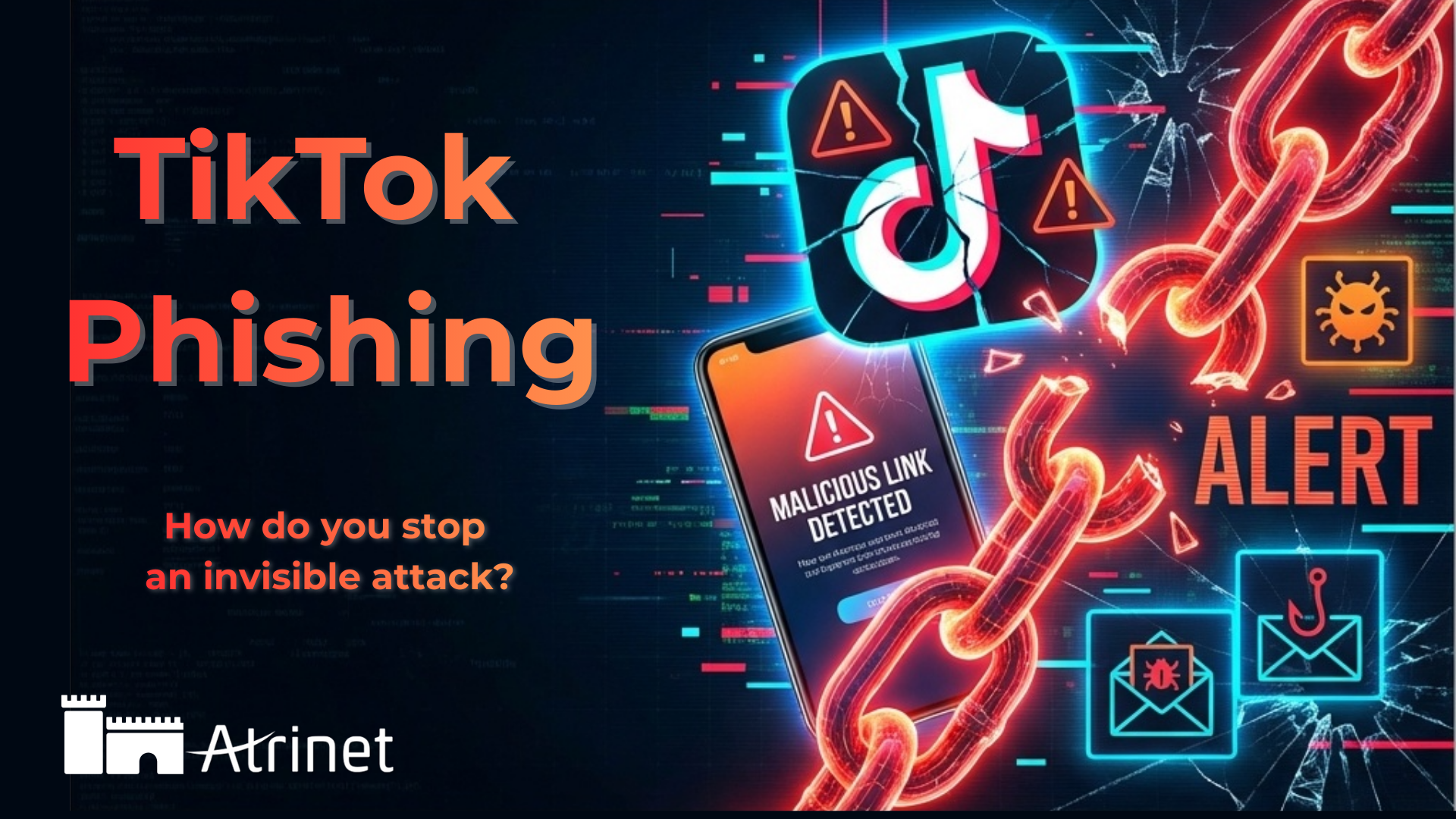
Tiktok Phishing
TikTok is the place where trends start, creators rise, and short videos become global movements in minutes. It is also a place where phishing attackers now operate at full speed. More than 1.6 billion people use TikTok every month, which makes it an irresistible target for fraud operations that rely on one thing above all else.
A link.
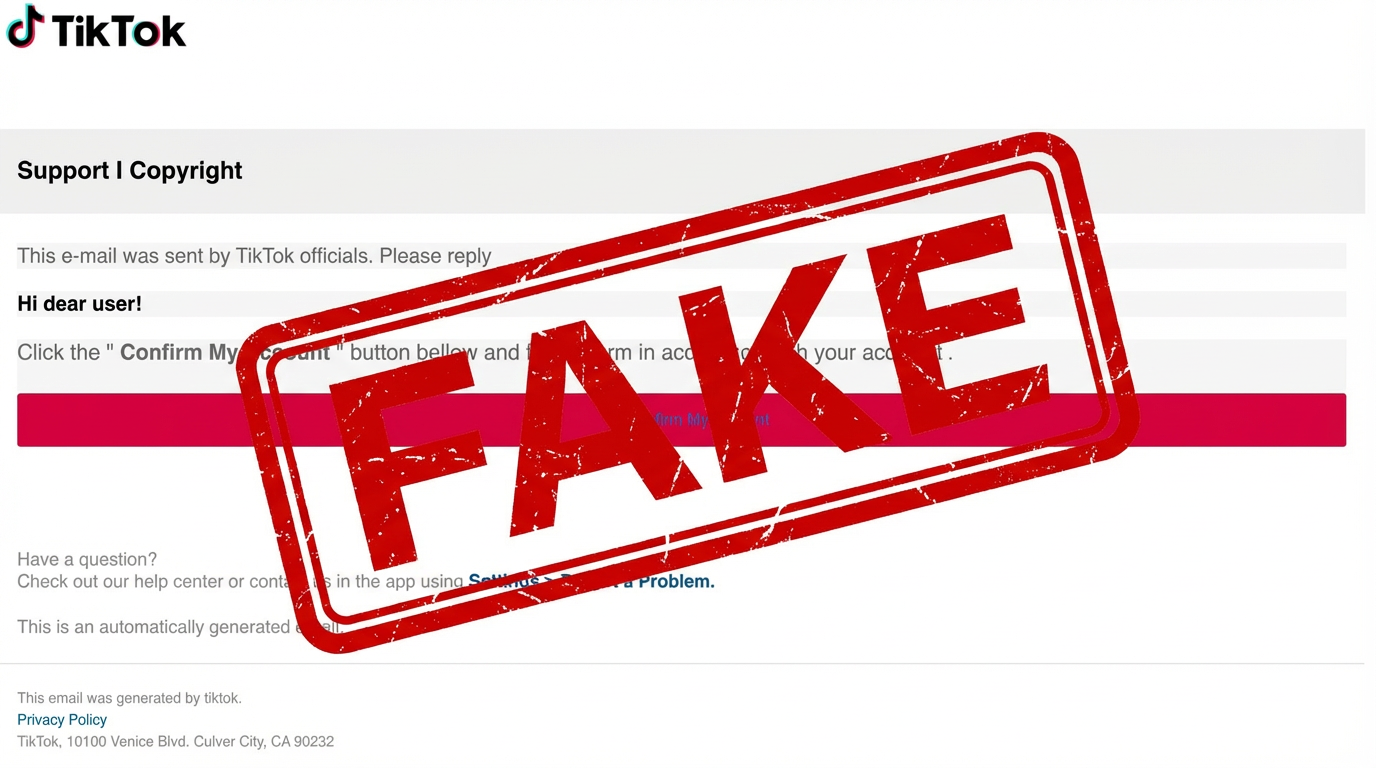
TikTok phishing can show up as a fake brand offer, a “you won” message, a misleading ad, or a comment on a viral video, but the structure is always similar. Build curiosity or trust, send a link, redirect the user away from TikTok, and steal something of value.
The FTC reports more than $2.7 billion in social media fraud losses in just the past three years. UK consumer group Which? has repeatedly warned about TikTok-based impersonation scams.
Security companies like ESET and Norton confirm that more than 70 percent of these attacks include a URL, often shortened or hidden.
The content changes. The hook changes. The personalities change.
The URL is the constant.
Humans can’t moderate TikTok Phishing
TikTok moves faster than any other platform. Trends rise and collapse in hours. Comment sections explode within minutes. A malicious link can appear, go viral, and disappear before a human moderator even opens the dashboard.
Shortened links hide the true destination. Redirect chains hide the landing page. Cloaking hides malicious behavior and shows reviewers a “clean” version of the site. TikTok can remove accounts, but in most cases, the removal happens after users report the scam, not before.
This is the core problem. The platform sees the link only at the surface level.
Everything harmful happens behind it.

How TikTok Phishing Works,
and Why the Link Is the Real Weapon
TikTok phishing attacks are diverse, but they all rely on the same playbook.
Build trust, then redirect the victim off the platform.
Fake Brand Collaboration
Creators receive a message from someone claiming to represent a well-known brand. The offer looks real, the brief sounds convincing, and the link looks harmless because it is shortened. The final page is a cloned login screen that captures credentials.
Giveaway Impersonations
Users are told they won a reward, a prize, or a brand bundle. The link leads to a fake verification form that requests personal or payment details. Which? has flagged these scams multiple times.
Fake TikTok Ads
Scammers pay for legitimate-looking ads. The landing page promotes a crypto opportunity or financial app. CNBC reports that these ad-based scams are growing, especially among younger users.
Viral Trend Hijacks
Malicious links are inserted into comment threads under high-traffic videos. Many follow three to seven redirects before revealing the real destination. Some activate only on mobile devices to evade review systems.
Across all scenarios, TikTok is not the problem. The link is.
Why TikTok Cannot See Link Risk Without Help
A platform can detect fake accounts, keyword abuse, or suspicious activity patterns.
It cannot detect what is behind a link unless it follows and analyzes it.
Shortened URLs
Bit.ly, tinyurl, t.co, and similar services make phishing links appear safe. Norton highlights how common this tactic is.
Redirect Chains
Attackers route users through several domains before showing the real phishing page. Moderation tools typically see only the first hop.
Cloaking Tactics
Fraudsters show harmless content to moderation systems, but malicious content to real users. Device based switching is now standard in phishing kits.
Dynamic Changes
A link can behave differently by time, region, or device. A domain that looks safe for reviewers may turn malicious later.
No human team can keep up with this level of deception.
The solution is visibility, and visibility requires the right technology.
The Solution: Fortress URL Scanner DB
Fortress URL Scanner DB gives platforms, security teams, and digital ecosystems the missing visibility they need. It turns every suspicious link into a fully analyzed, risk-scored object that a platform can act on instantly.
Full Redirect Discovery
Fortress expands every shortened link and follows every hop, even deep redirect chains. Platforms see the same final page the victim would see.
Behavioral and Reputation Scoring
Fortress evaluates domain age, DNS patterns, hosting infrastructure, global threat intelligence, and historical behavior. This creates a precise risk profile for every URL.
Cloaking and Obfuscation Detection
Fortress identifies encoded redirects, hidden elements, and conditional page behavior. This is the layer that stops scammers who try to fool review systems.
Continuous Updating
Phishing links evolve quickly. Fortress updates each profile as behavior changes. It uses intelligent analysis, automation, and selective AI components to scan at scale without slowing down user experiences.
Easy Integration With Any Platform
Fortress URL Scanner DB acts as a standalone product, and can be added to any platform!
The result is simple. Platforms no longer operate blindly.
They see the real destination, the real behavior, and the real risk behind every link.
TikTok Phishing Can Be Stopped With Link Intelligence
TikTok phishing is not slowing down. It is accelerating because attackers know that most platforms cannot see what happens behind a link. Manual moderation cannot keep pace with cloaking, redirect chains, and fast changing landing pages.
Fortress URL Scanner DB gives platforms the missing visibility they need. It reveals every redirect, scores every URL, detects hidden behavior, and stops malicious links before users click them. Any environment that handles user generated links needs this level of protection.
TikTok will continue to grow. Phishing will continue to follow. The only reliable defense is the ability to see the link for what it really is.
Want to protect your subscribers from link-based fraud across every channel?
See how Fortress URL Scanner stops phishing links before the user even sees them!